BCAX LabsClinical anaplastology · Buffalo, NY

Patient Education

Understanding your prosthesis

A clinician-written guide for patients, families and caregivers, explained with illustrations rather than photographs.

Planned

Prostheses by type

“What would mine look like, and what can it do?”

  • Ear (auricular)
  • Nose (nasal)
  • Eye socket (orbital)
  • Eye (ocular)
  • Combination facial
  • Breast, finger and hand
First illustration below

How it stays on

“How will it stay on?”

  • Adhesive retention
  • Implant retention
  • Anatomical retention
  • Comparing the options
Planned

The process

“What happens at each visit?”

  • Consultation
  • Impressions and 3D scanning
  • Sculpting and color matching
  • Delivery and adjustment
  • Follow-up and replacement
Planned

Daily care

“How do I look after it and my skin?”

  • Putting it on and taking it off
  • Cleaning
  • Skin and implant site care
  • Storage and travel
  • When to call us
Planned

Learn more

“What do these words mean?”

  • Glossary
  • Questions to ask your clinician
  • For caregivers
  • For referring physicians

Learning to see

Studied closely, for centuries

Artists have drawn and sculpted the eye, ear, nose, mouth and hand for hundreds of years. The same close observation guides every prosthesis made at BCAX Labs. While our own illustrations are in progress, these works from museum collections stand in their place.

Eye and orbit

The orbit is the bony socket that holds the eye. An ocular prosthesis sits within the socket; an orbital prosthesis restores the eye and the surrounding tissue.
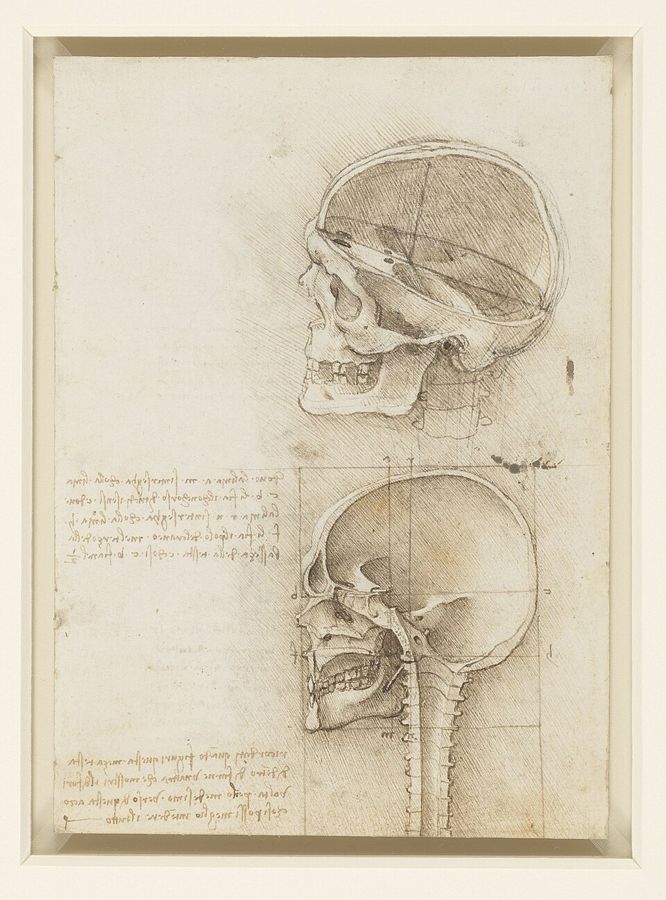
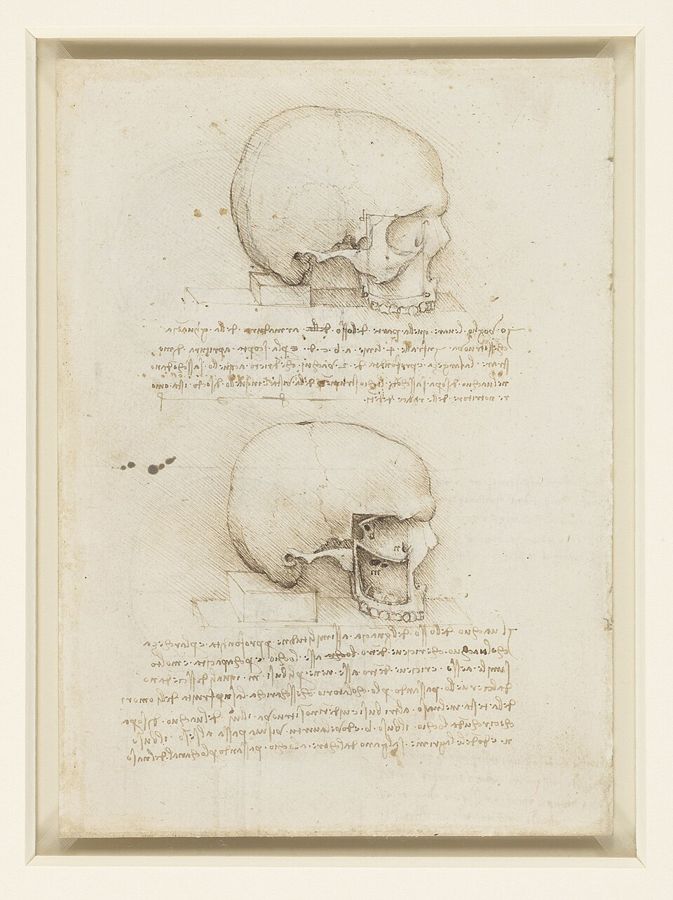
The Skull Sectioned, Leonardo da Vinci
The Skull Sectioned Leonardo da Vinci, 1489Leonardo cut the skull in section to show the orbit and how it relates to the rest of the face.Royal Collection. Public domain, via Wikimedia Commons. Source
The Cranium, Leonardo da Vinci
The Cranium Leonardo da Vinci, 1489Two views of the skull, with the eye sockets carefully measured.Royal Collection. Public domain, via Wikimedia Commons. Source
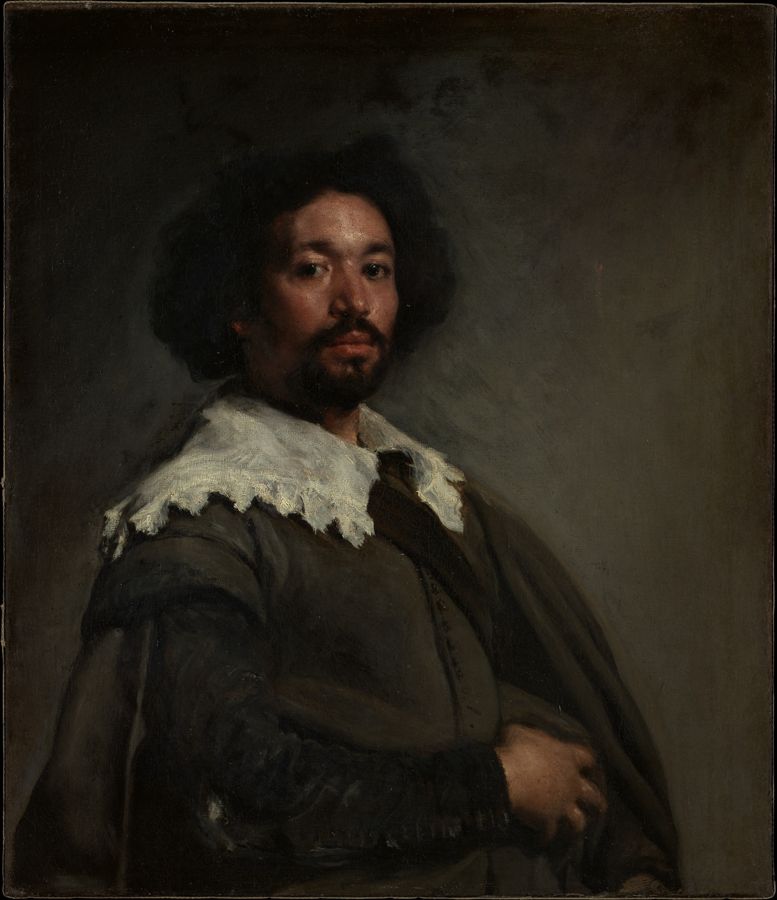
Juan de Pareja, Diego Velázquez
Juan de Pareja Diego Velázquez, 1650Velázquez painted his assistant in Rome in 1650. Pareja, then enslaved in Velázquez's workshop, was granted his freedom and became a painter in his own right.The Metropolitan Museum of Art, Open Access (public domain). Source
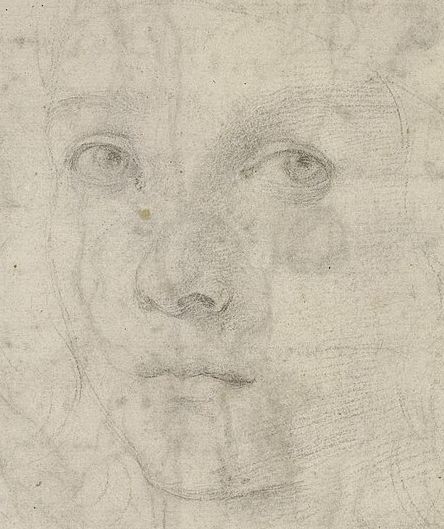
Head of a Boy (detail), Raphael
Head of a Boy (detail) RaphaelA young Raphael's study of a face. The same sheet includes a small study of an ear.The British Museum. Public domain, via Wikimedia Commons. Source

Ear

An auricular (ear) prosthesis is shaped to match the other ear and to sit in line with the features around it.
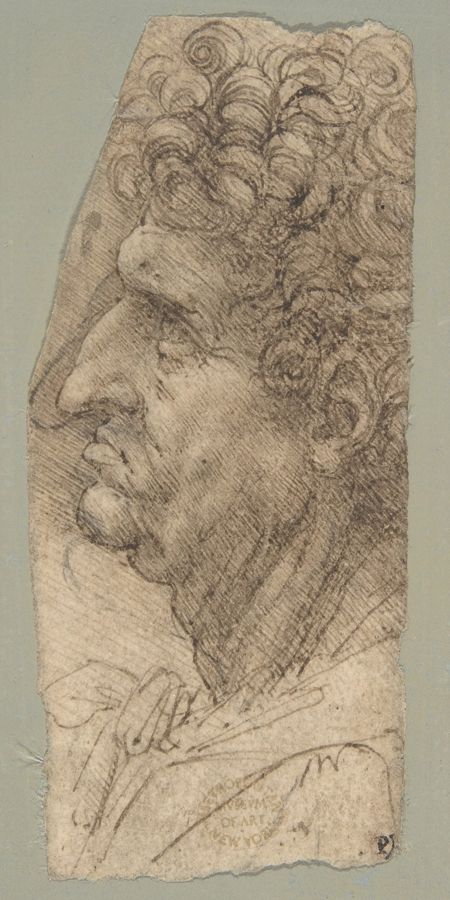
Head of a Man in Profile, Leonardo da Vinci
Head of a Man in Profile Leonardo da Vinci, 1490–94The profile shows how the ear lines up with the nose, cheek and jaw.The Metropolitan Museum of Art, Open Access (public domain). Source

Nose

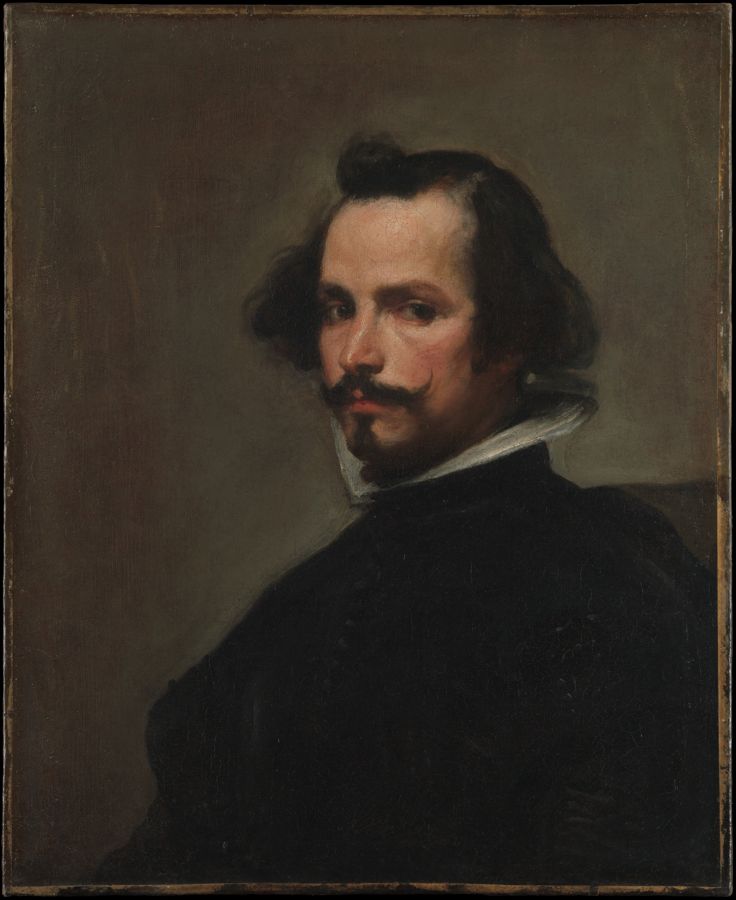
A nasal prosthesis restores the shape of the nose and blends into the skin of the cheeks and lip.
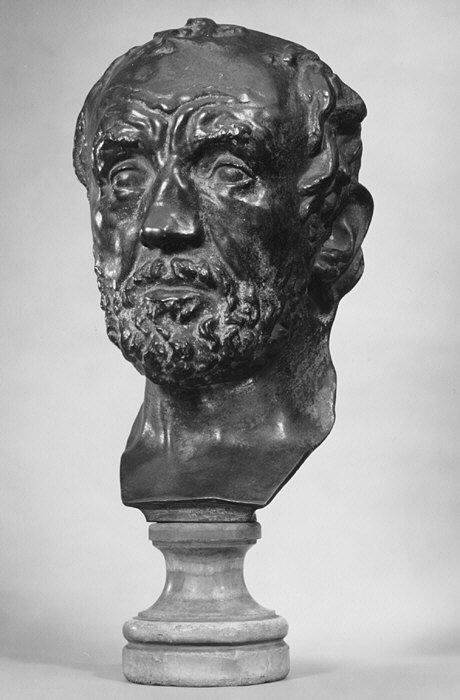
Mask of the Man with the Broken Nose, Auguste Rodin
Mask of the Man with the Broken Nose Auguste Rodin, modeled 1864Rodin modeled this face from life, broken nose and all, and gave it the dignity of any classical head.The Metropolitan Museum of Art, Open Access (public domain). Source
Portrait of a Man, Diego Velázquez
Portrait of a Man Diego Velázquez, c. 1650A few sure brushstrokes capture the form of the nose and brow.The Metropolitan Museum of Art, Open Access (public domain). Source

Mouth and lips

The lips move constantly when we speak and eat, which is why the area around the mouth takes careful planning.
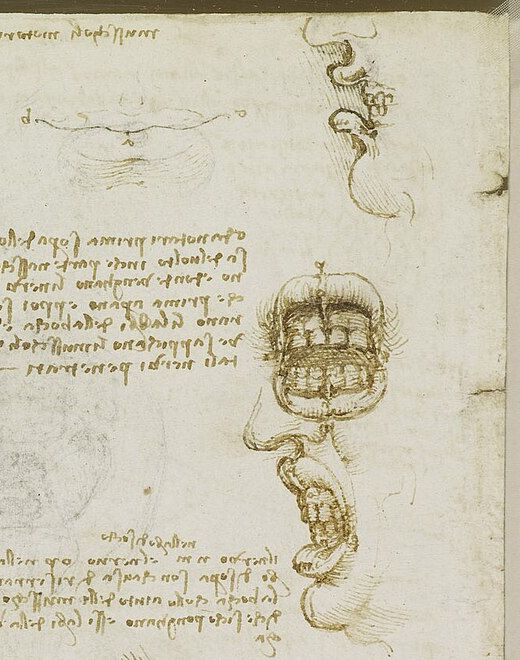
The Anatomy of the Mouth (detail), Leonardo da Vinci
The Anatomy of the Mouth (detail) Leonardo da Vinci, c. 1508Leonardo dissected and drew the muscles that move the lips.Royal Collection. Public domain, via Wikimedia Commons. Source
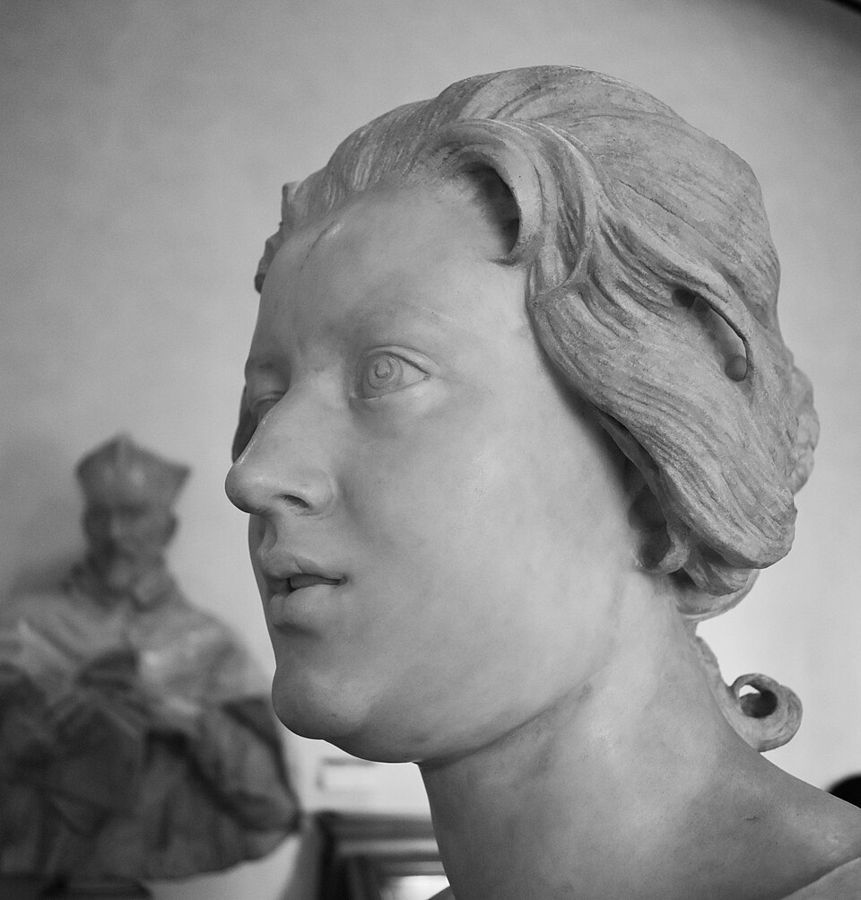
Bust of Costanza Bonarelli (detail), Gian Lorenzo Bernini
Bust of Costanza Bonarelli (detail) Gian Lorenzo Bernini, c. 1637Bernini carved the lips just parted, as if about to speak.Photo: Nicola Quirico, CC BY-SA 4.0, via Wikimedia Commons. Source

Hand and fingers

Finger and hand prostheses are sculpted to match the other hand, down to the creases and nails.
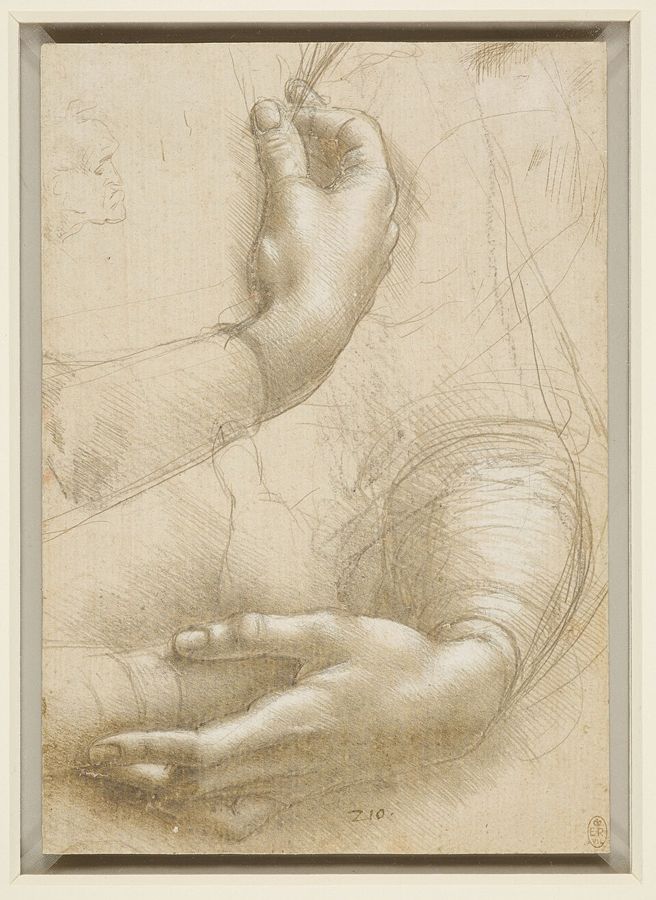
A Study of a Woman's Hands, Leonardo da Vinci
A Study of a Woman's Hands Leonardo da Vinci, c. 1490Leonardo drew hands again and again to understand how they rest and move.Royal Collection. Public domain, via Wikimedia Commons. Source
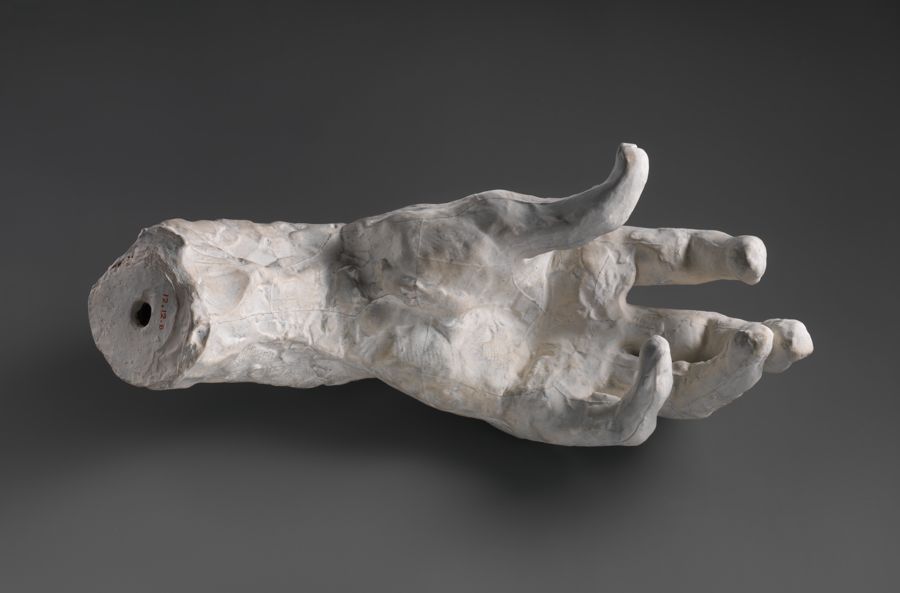
Study of a Hand, Auguste Rodin
Study of a Hand Auguste Rodin, modeled c. 1885Rodin often modeled hands on their own, as studies.The Metropolitan Museum of Art, Open Access (public domain). Source
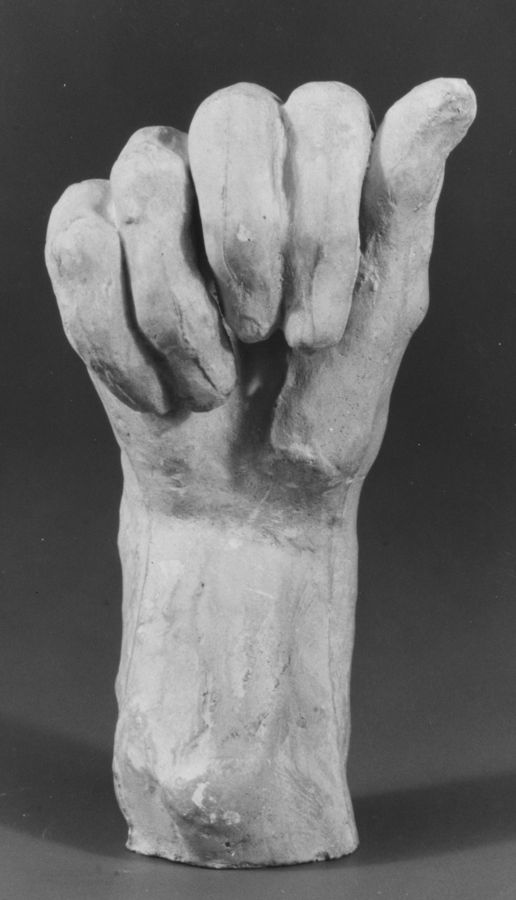
Hand, Auguste Rodin
Hand Auguste Rodin, modeled c. 1886–89A simple, strong form with clearly defined finger joints.The Metropolitan Museum of Art, Open Access (public domain). Source

How it stays on

Three ways a prosthesis is retained

Most facial prostheses are held in place in one of three ways. Your clinical team recommends the approach that suits your anatomy, health and daily routine.

Draft illustration, awaiting clinical review

Three ways a prosthesis stays in place Simplified cross-sections. Left: a thin adhesive layer between skin and prosthesis. Center: an implant in bone with an abutment through the skin and a magnet that holds the prosthesis. Right: the prosthesis rests in a natural undercut of tissue, with support from an eyeglass frame. ADHESIVEIMPLANTANATOMICAL skin prosthesis adhesive bone skin prosthesis magnets implant tissue prosthesis eyeglass frame (optional) rests in a natural undercut
Simplified cross-sections, not to scale. The highlighted part in each is what holds the prosthesis: a thin layer of medical adhesive, a magnet on an implant, or a natural undercut in the tissue.

This guide explains general concepts and is reviewed by BCAX Labs. It isn't advice about your individual care; your own clinical team guides that.